Preloader Close

About Us
IRCRA engages Pakistan’s community and diverse target groups in capacity-building programmes, research and dialogues that promote tolerance and peace.
Get a free quote

July 30, 2024
Secterian reconciliation and Intera-faith harmony program during Muharram
As the first month of the Islamic year, Muharram holds a special place in the hearts of Muslims worldwide. Known for its peace, blessings, and mercy, this sacred month is steeped in history and significance.
May 5, 2024
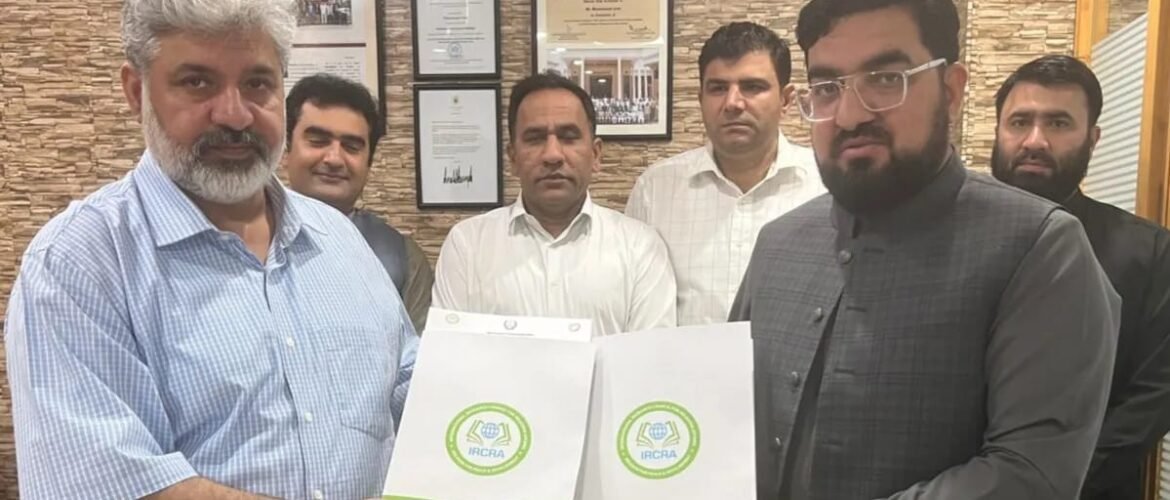
“KPCVE and IRCRA Join Forces to Counter Violent Extremism in Pakistan”
“KPCVE and IRCRA have signed an MOU to collaborate on countering violent extremism in Pakistan, emphasizing interfaith dialogue and community resilience. Joint initiatives will include seminars, research, and resource sharing. This partnership aims to promote peace and tolerance in alignment with national priorities.”
March 15, 2024
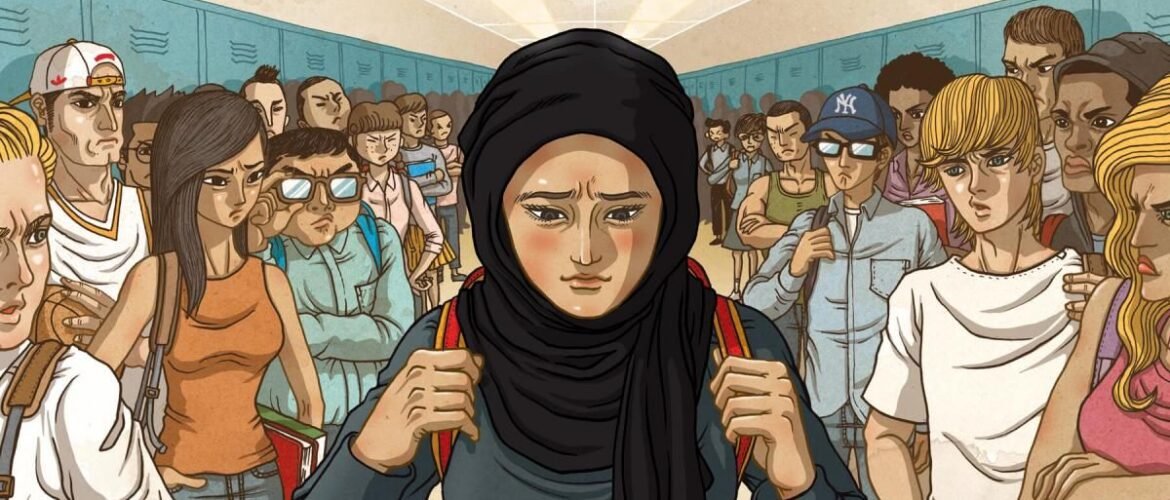
How to tackle Islamophobia?
I received an invitation from the Institute of Strategic Studies Islamabad (ISSI), a think tank of the Pakistani Ministry of Foreign Affairs, to participate in a dialogue on a special day dedicated to the fight against Islamophobia on March 15.
December 10, 2023
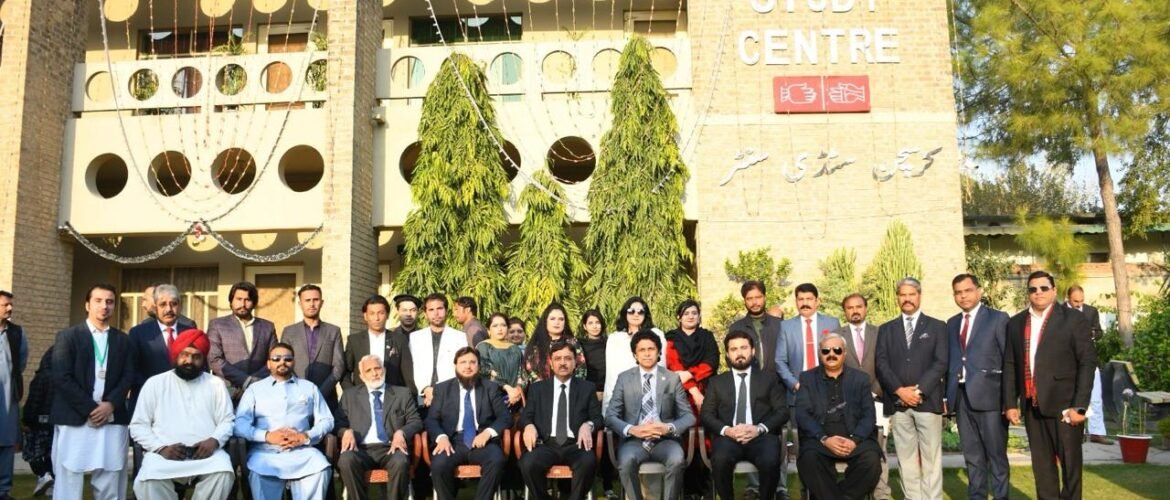
Distinguished Speakers Advocate for Tolerance and Unity, Propelling Pakistan Towards a Future of Inclusivity and Respect for Human Rights
On December 10, 2023, a momentous celebration unfolded in Pakistan as the Pakistan International Human Rights Organization (PIHRO), in collaboration with the International Research Council for Religious Affairs (IRCRA), marked International Human Rights Day.
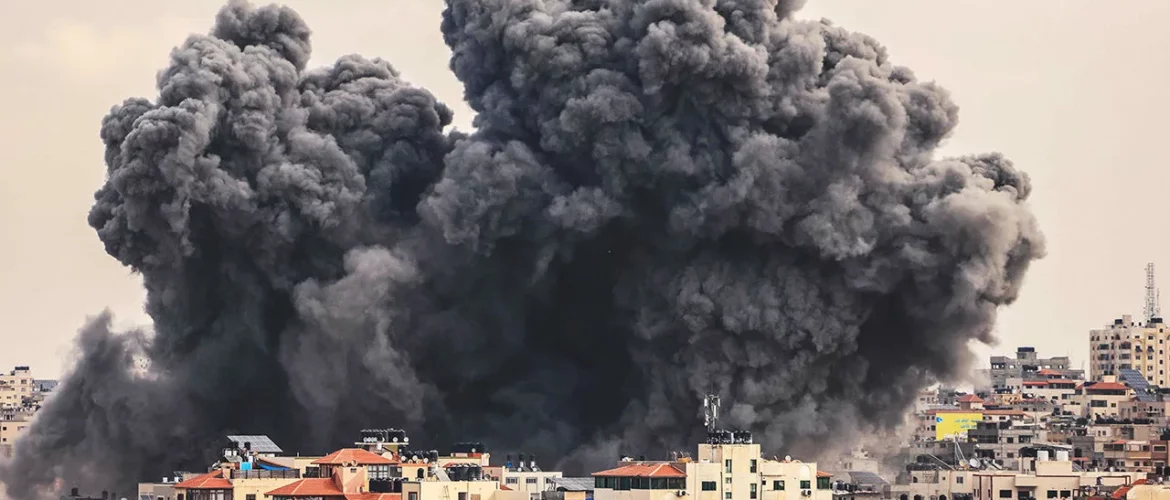
October 20, 2023
International Research Council for Religious Affairs Condemns Atrocities in Gaza Strip and Urges Peaceful Resolution
The International Research Council for Religious Affairs (IRCRA) is deeply alarmed by the ongoing atrocities and violations of human rights and international conventions in the Gaza Strip.
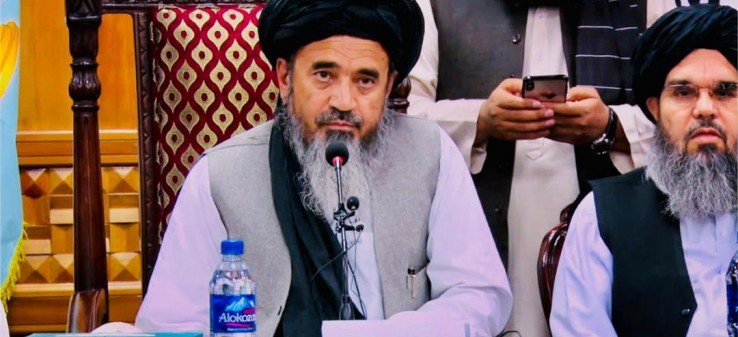
September 26, 2023
Inside the Taliban’s governance: Chief Justice Haqqani’s book sheds light
In a recently published book ‘’Al-Emarat-ul-Islamiyya and Nizamha’ (The Islamic Emirate and its Systems), Mullah Abdul Hakim Haqqani, the Chief Justice of the Taliban adminstration in Afghanistan, has articulated his vision of an Islamic state.
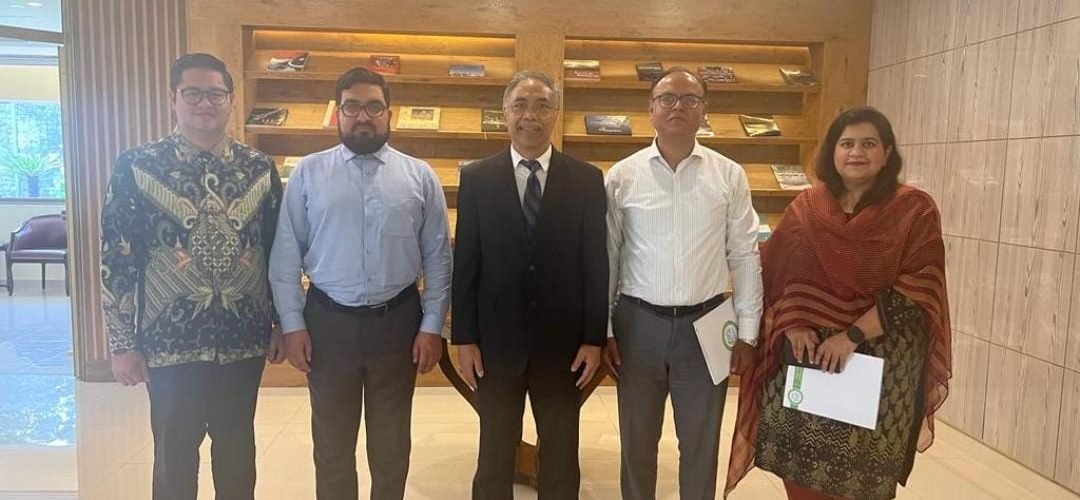
September 6, 2023
Strengthening Bilateral Ties through Exchange Program: IRCRA’ visit to Indonesian Embassy
IRCRA team visited Indonesian embassy in Islamabad and met with Ambassador Adam M. Tugio to discuss IRCRA’ Religious Diplomacy Forum’s proposed Exchange Program with Indonesia.
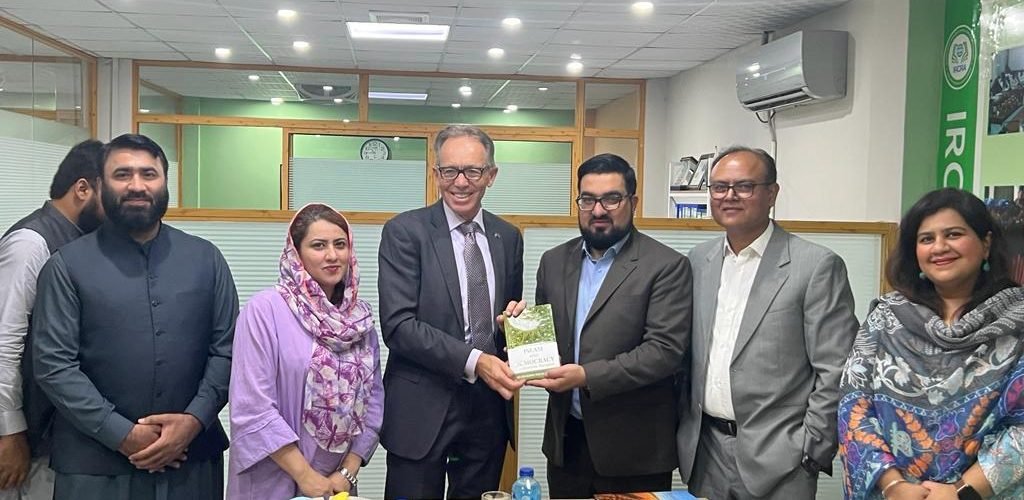
September 6, 2023
Australia’ multi-cultural society
Mr. Neil Hawkins, the Ambassador of Australia to Pakistan visited IRCRA’ office in Islamabad and shared his thoughts in a meeting with IRCRA’ team about how social cohesion, multiculturalism, promotion of democratic norms, and mutual learning can help countries resolve conflicts and aspire to progress with peace.

January 17, 2023
The Role of Religious Media in Promoting Democracy
Religious media plays a vital role in shaping public opinion and promoting democratic values. It serves as a powerful tool for fostering dialogue and understanding among different religious and cultural groups. The International Research Council for Religious Affairs (IRCRA) recognizes the importance of religious media in promoting democracy and peace, and is committed to studying its impact and promoting its responsible use. The Role of Religious Media in Promoting Democracy Religious media can provide a platform for marginalized voices to be heard and for underrepresented groups to participate in public discourse. It can promote tolerance and mutual understanding by providing a space for different religious and cultural perspectives to be shared and discussed. Religious media can also serve as a check on government power by providing an independent source of information and holding leaders accountable. Examples In post-apartheid South Africa, religious leaders and organizations used religious media to promote racial reconciliation and support the transition to democracy. In Indonesia, religious media has played a crucial role in promoting pluralism and tolerance. In the United States, religious media has been used to promote civil rights and social justice issues. The Role of Religious Media in Promoting Peace Religious media can provide a space for peaceful dialogue and conflict resolution. It can promote mutual understanding and respect among different religious and cultural groups. Religious media can also serve as a counterbalance to extremist ideologies and propaganda. Examples In Nigeria, religious media has been used to promote peaceful coexistence and counter the spread of extremist ideologies. In Sri Lanka, religious media has played a role in promoting reconciliation and healing following the country’s civil war. In the Middle East, religious media has been used to promote interfaith dialogue and understanding. Challenges and Opportunities for Religious Media Lack of funding and resources can limit the reach and impact of religious media. The rise of digital media has created new opportunities for religious media, but also new challenges such as disinformation and online extremism. Religious media can also face government censorship and repression in countries with limited freedom of the press. Conclusion Religious media plays a crucial role in promoting democracy and peace. It provides a platform for marginalized voices to be heard, promotes tolerance and mutual understanding, and serves as a check on government power. The International Research Council for Religious Affairs (IRCRA) recognizes the importance of religious media and is committed to studying its impact and promoting its responsible use. Despite the challenges, religious media continues to be an important tool for fostering dialogue and understanding among different religious and cultural groups.
December 14, 2022
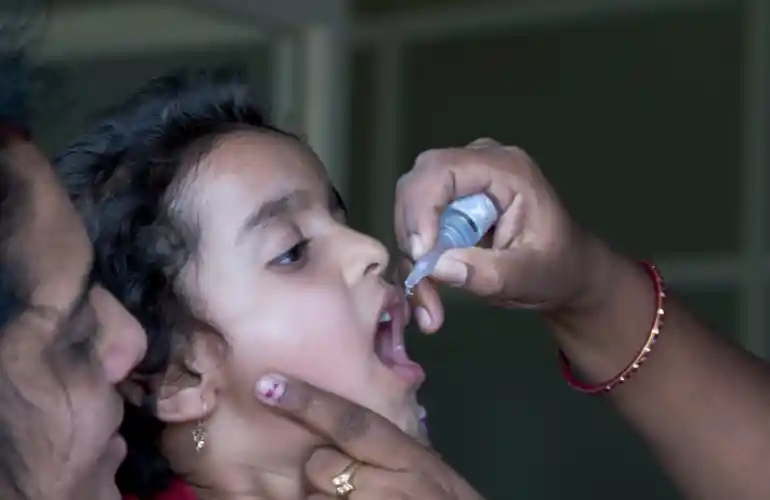
Polio Eradication and the Role of International Cooperation in Pakistan
Polio is a highly contagious viral illness that mainly affects children under the age of five. It can cause permanent paralysis, and in some cases, it can be fatal. Pakistan is one of the few countries in the world where the disease is still endemic, and the ongoing efforts to eradicate it have been met with numerous challenges. However, international cooperation has played a crucial role in helping Pakistan make significant progress in the fight against polio. This article will explore the current situation in Pakistan regarding polio and the role that international cooperation has played in the country’s efforts to eradicate the disease. Current Situation in Pakistan Pakistan has been grappling with the problem of polio for many years. As of 2022, Pakistan has reported a total of 20 cases of wild poliovirus, which is a significant decrease from previous years. However, the COVID-19 pandemic has presented new challenges for polio eradication efforts in the country. The pandemic has led to disruptions in vaccination campaigns, and many children have missed their doses as a result. Additionally, misinformation about the virus and vaccine has spread, leading to vaccine hesitancy among some communities. International Cooperation Despite these challenges, international cooperation has played a vital role in Pakistan’s efforts to eradicate polio. The World Health Organization (WHO) and the United Nations Children’s Fund (UNICEF) have been leading the global effort to eradicate polio, and they have provided significant support to Pakistan. The WHO has provided technical assistance, funding, and vaccines to help Pakistan fight the disease. Additionally, UNICEF has provided resources and expertise to support vaccination campaigns and improve surveillance systems. Other international organizations have also played a significant role in supporting Pakistan’s efforts to eradicate polio. The Rotary International, for example, has provided funding for polio eradication efforts in Pakistan and has worked to raise awareness about the disease. The Bill and Melinda Gates Foundation has also provided significant support to Pakistan, including funding for vaccination campaigns and the development of new vaccines. Impact of International Cooperation The support provided by these international organizations has helped Pakistan make significant progress in the fight against polio. For example, the number of reported cases of wild poliovirus in Pakistan has decreased significantly in recent years. Additionally, vaccination coverage in the country has improved, and more children are being reached with the polio vaccine. International cooperation has also helped Pakistan improve its surveillance systems and respond more effectively to outbreaks of the disease. The WHO and UNICEF have provided training and resources to help Pakistan improve its surveillance systems and detect cases of polio more quickly. This has helped Pakistan respond more effectively to outbreaks and reduce the spread of the disease. Challenges Ahead Despite the progress that has been made, Pakistan still faces significant challenges in the fight against polio. The COVID-19 pandemic has presented new challenges for polio eradication efforts, and it will be crucial to address these challenges in order to continue making progress. Additionally, vaccine hesitancy remains a significant challenge, and it will be important to address this issue in order to ensure that more children are reached with the polio vaccine. Conclusion Pakistan has made significant progress in the fight against polio, and international cooperation has played a crucial role in this progress. The support provided by organizations such as the WHO, UNICEF, Rotary International, and the Bill and Melinda Gates Foundation has helped Pakistan improve its vaccination coverage, surveillance systems, and respond more effectively to outbreaks of the disease. However, challenges remain, and it will be important to continue addressing these challenges in order to achieve the goal of polio eradication in Pakistan.
- 1
- 2